Project
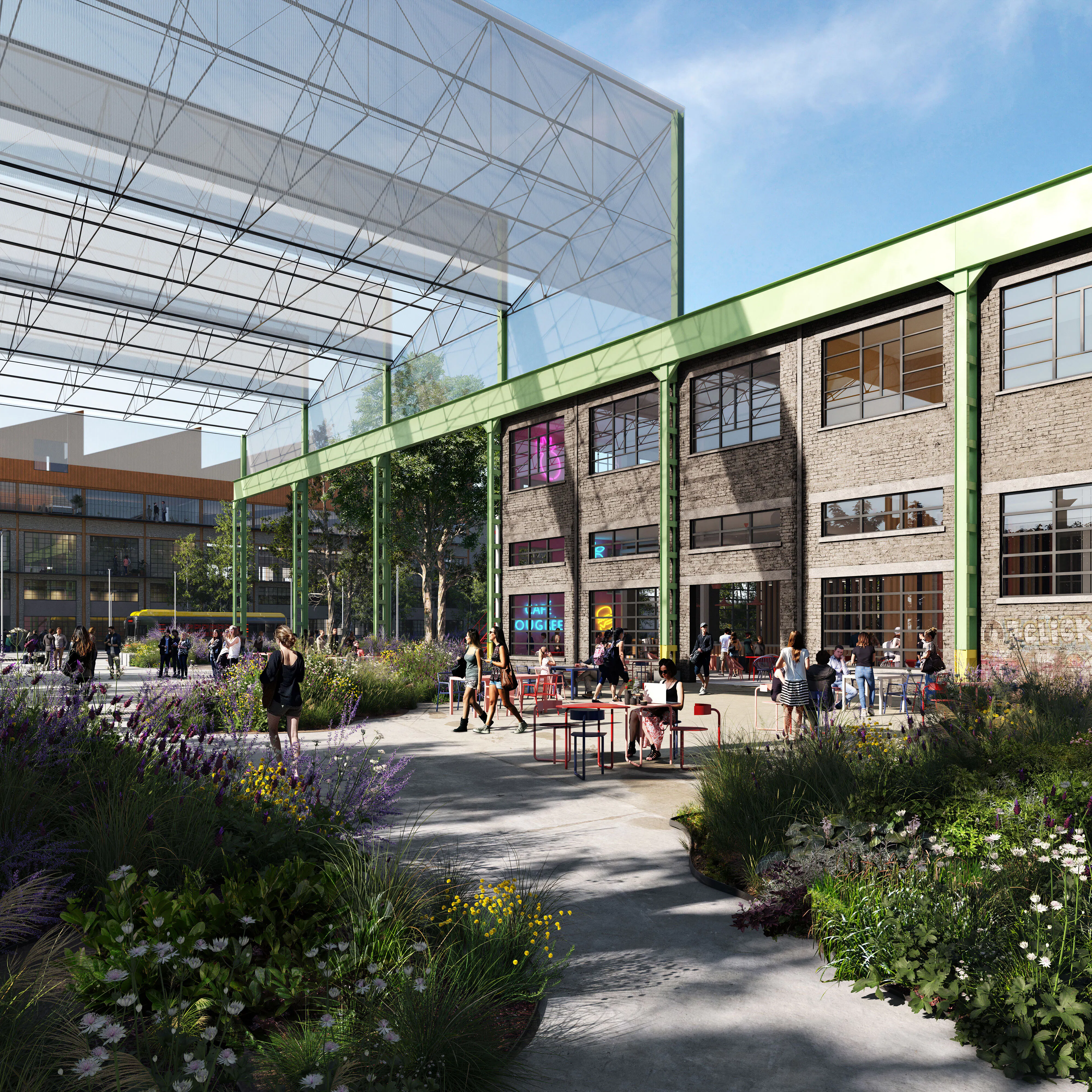
A landmark industrial site deeply rooted in Seraing’s history, the Ateliers Centraux are being reborn as a unique micro-district that blends community living with the art of living. Discover an ambitious project that bridges the past, present and future.
The Ateliers Story

Seraing 1900, the Center of the World
In the 19th century, Belgium emerged as the world’s second industrial power, surpassed only by the British Empire. This extraordinary rise began in Wallonia, with Seraing leading the way and blast furnaces shaping the skyline.

— Victor Hugo, Le Rhin
In 1817, engineer and entrepreneur John Cockerill built in Seraing one of the first major industrial complexes of the modern era. In record time, Seraing’s industries became the center of attention, exporting cutting-edge technology across the globe—technologies that would shape modernity itself: steam engines, boilers, bridges, ship hulls, and one of the most strategic innovations of all, the railway.
Over the course of the 19th century, this industrial boom transformed the landscape into something never seen before: a panorama of foundries, rolling mills, forges and workshops of colossal scale, dominated by the iconic silhouette of the blast furnace, which replaced the church steeple as the community’s landmark. It was within this setting—both awe-inspiring and infernal—that the Ateliers Centraux were born at the dawn of the following century.

a mechanical workshop, a boilermaking workshop, a wagon workshop, a locomotive workshop, an electrical workshop and storage facilities.
One Place, One Spirit, One Community
Built at the beginning of the 20th century, the Ateliers Centraux served as the logistical and administrative hub for the surrounding industries. A place that brought people together, the cornerstone of a community and the symbol of a working-class culture.
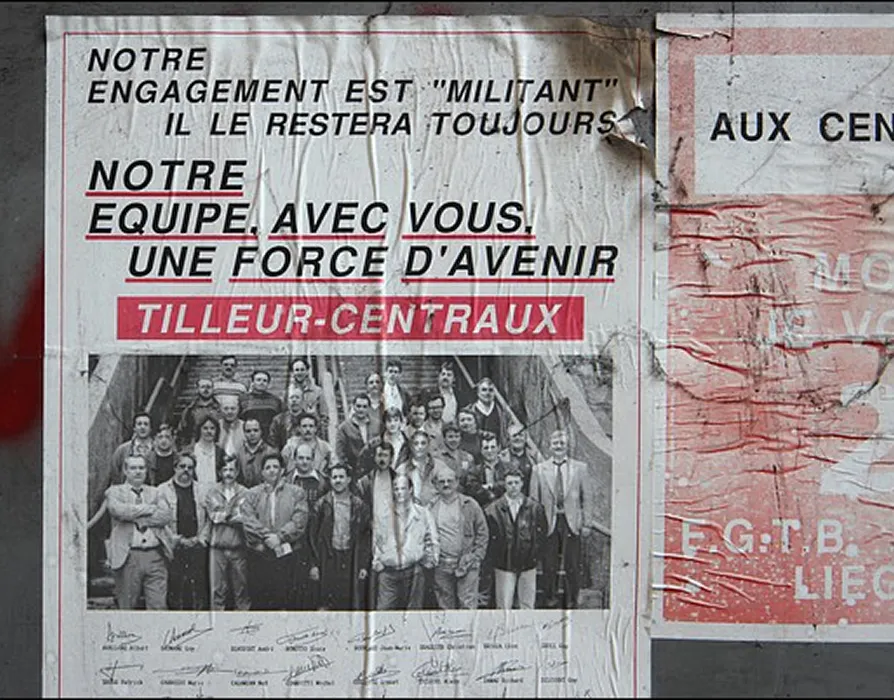

As their name suggests, the Ateliers Centraux occupied a central role within the Cockerill plants of Ougrée, supplying the mechanical and electrical components required for all group activities, from coking plants to rolling mills. They also housed locomotive assembly and repair workshops, a design office and administrative services.
Ultimately, an entire world converged at the Ateliers Centraux: laborers, maintenance workers, mechanics, engineers, warehouse staff, secretaries and many others. Together, they formed a community united not only by work, but also by life’s milestones, national celebrations, local festivities and the workers’ movements that animated the site until its closure in the early 2000s.

Time for Rebirth

A Landmark Icon
The Ateliers Centraux consist of three halls with monumental proportions and a refined aesthetic. Once a concrete cathedral dedicated to industry, tomorrow reimagined to inspire, enrich and bring people together.
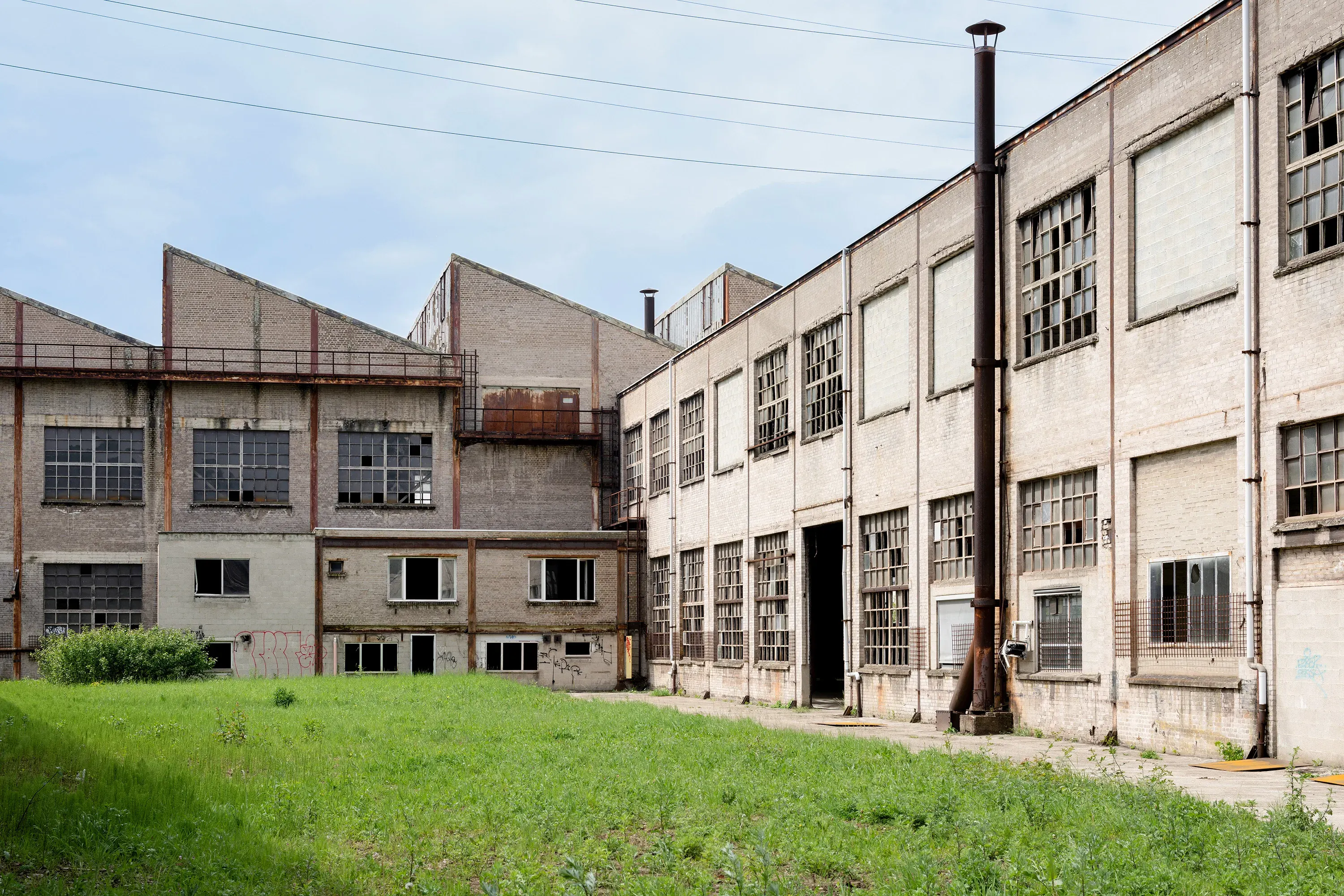
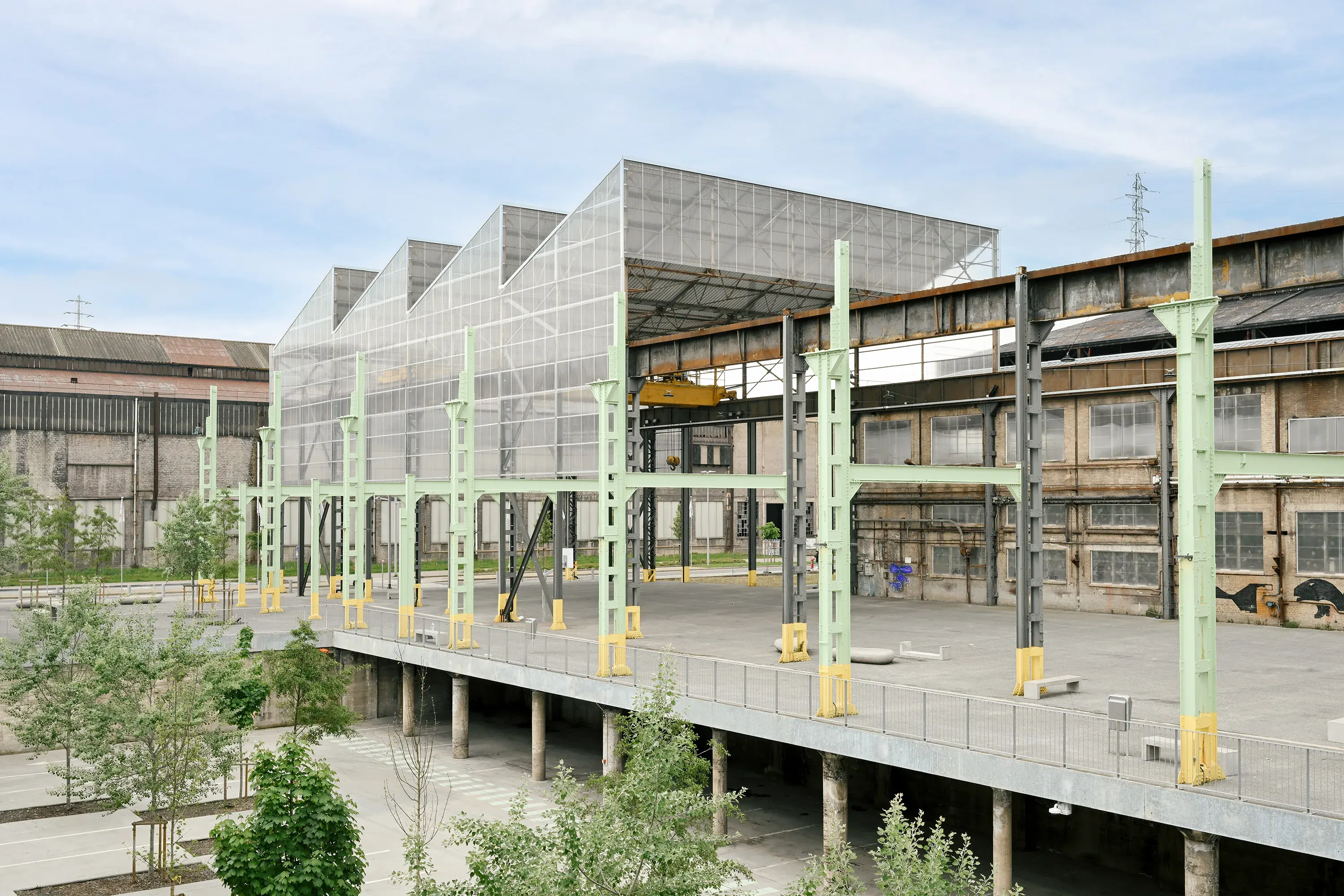
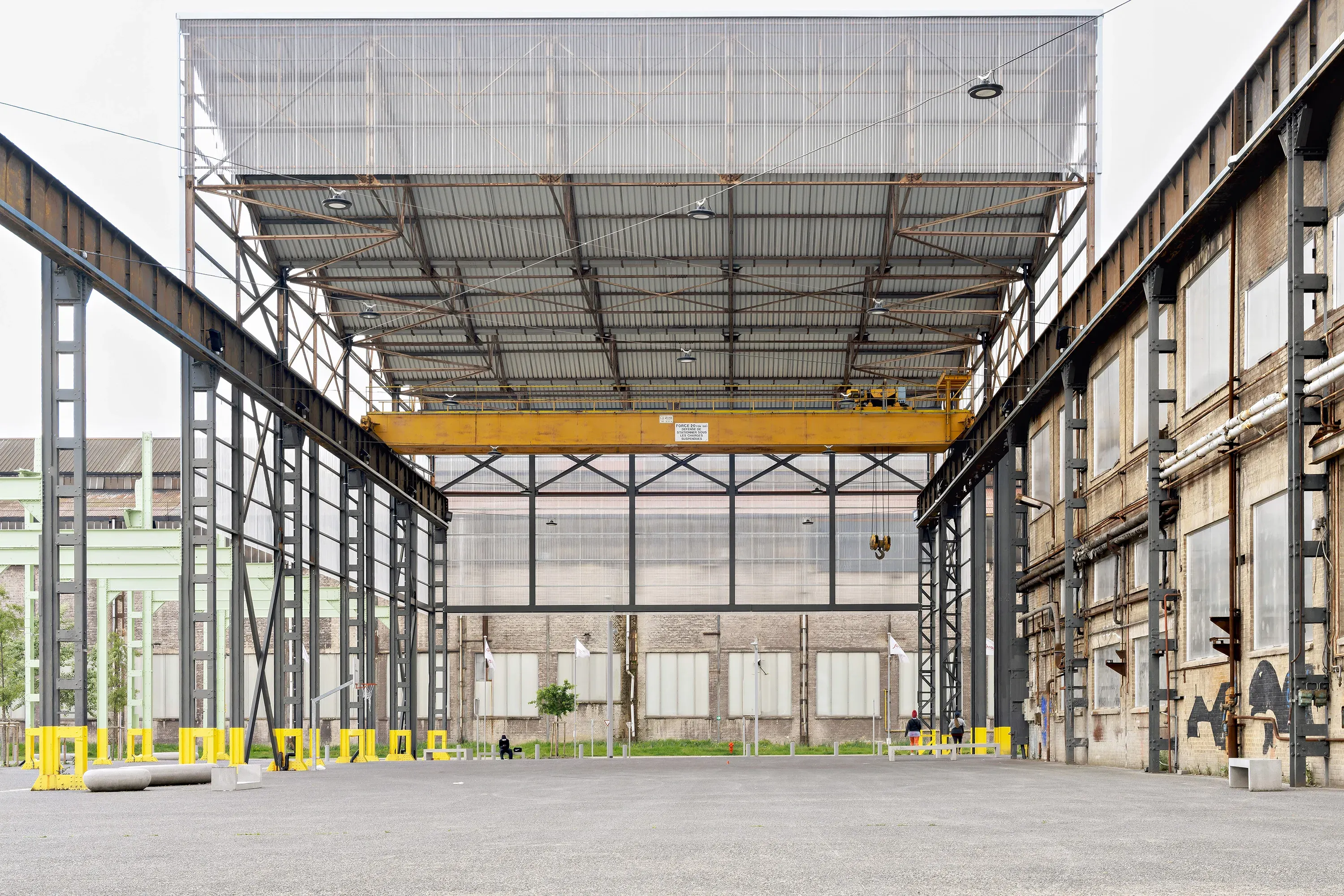
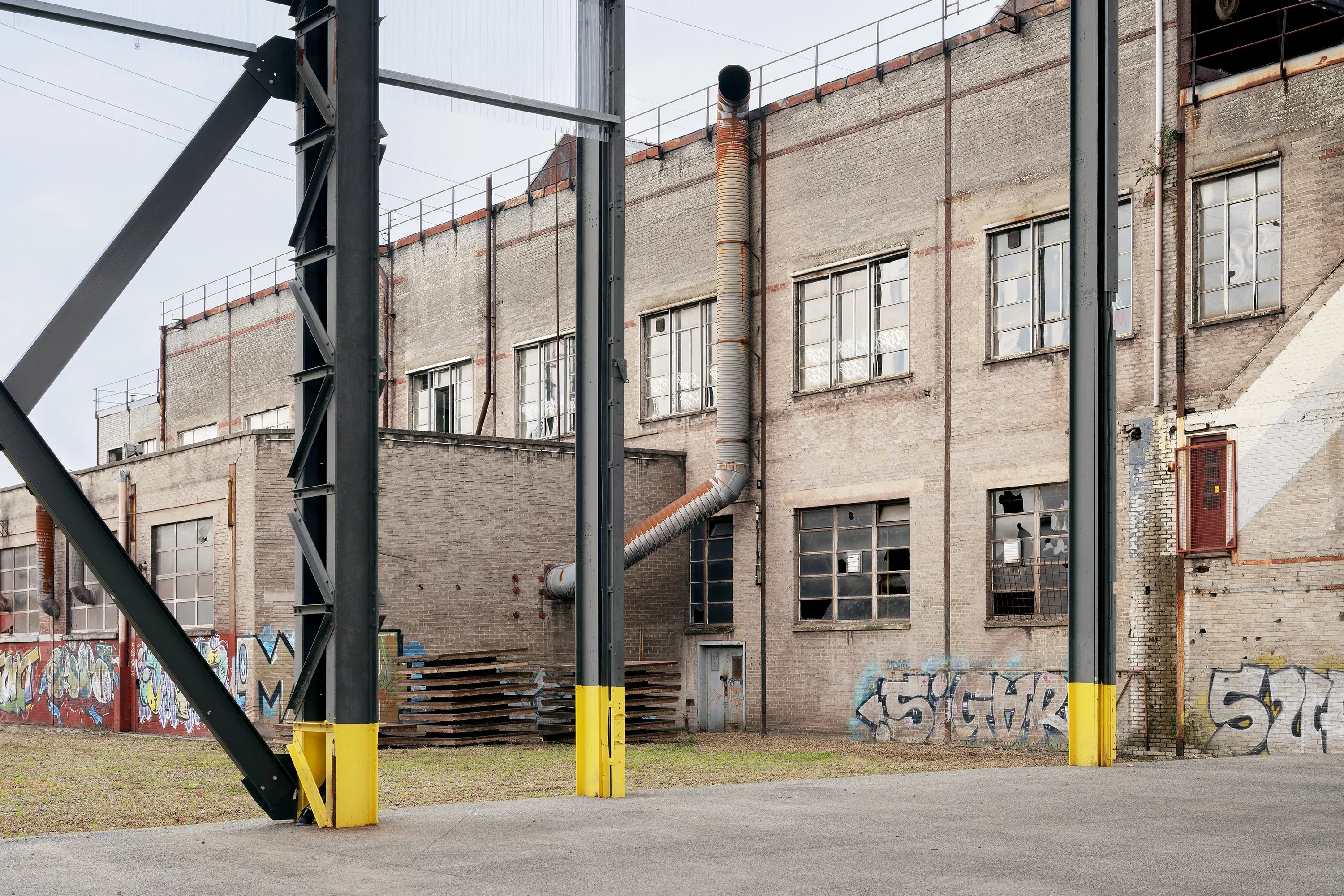
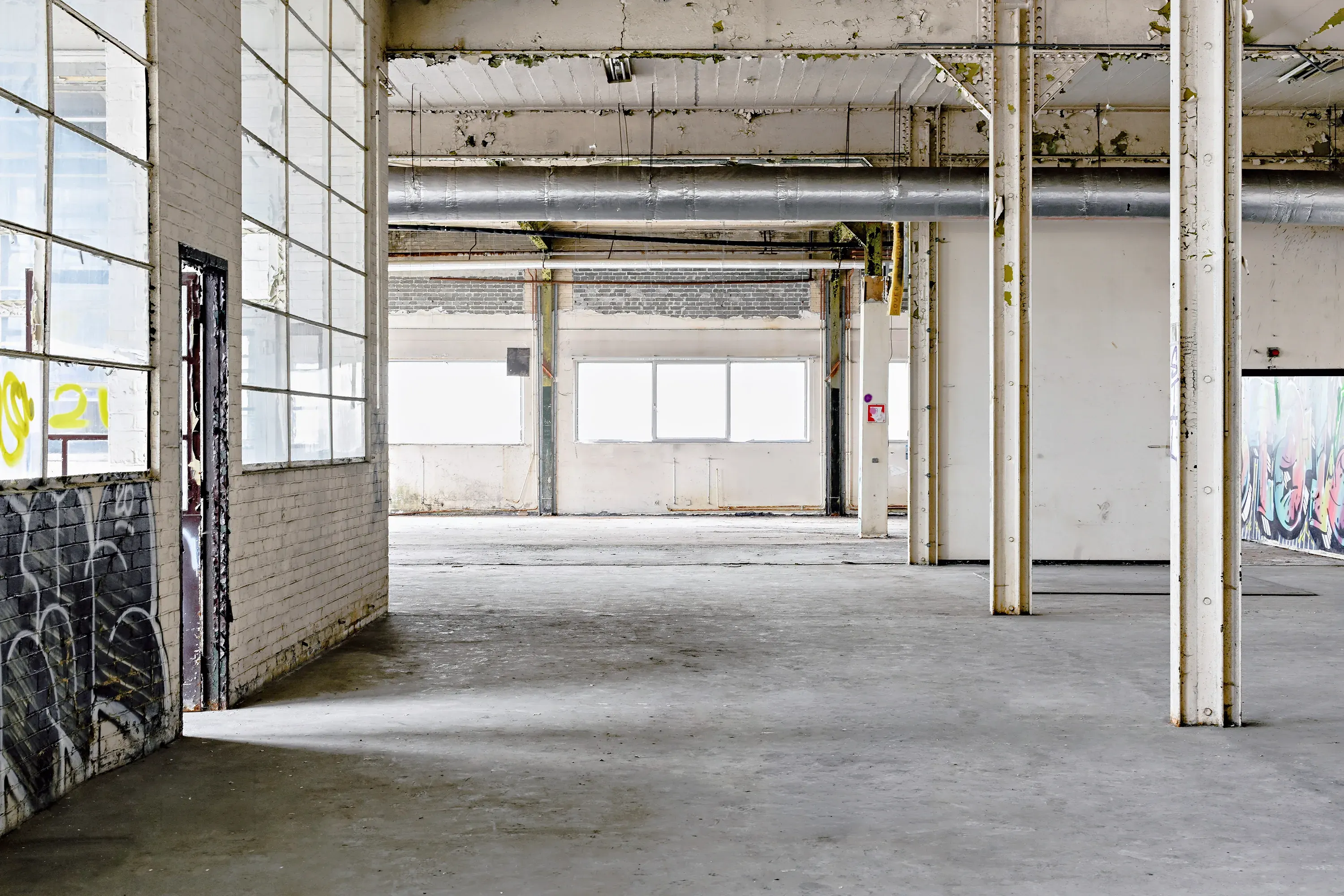
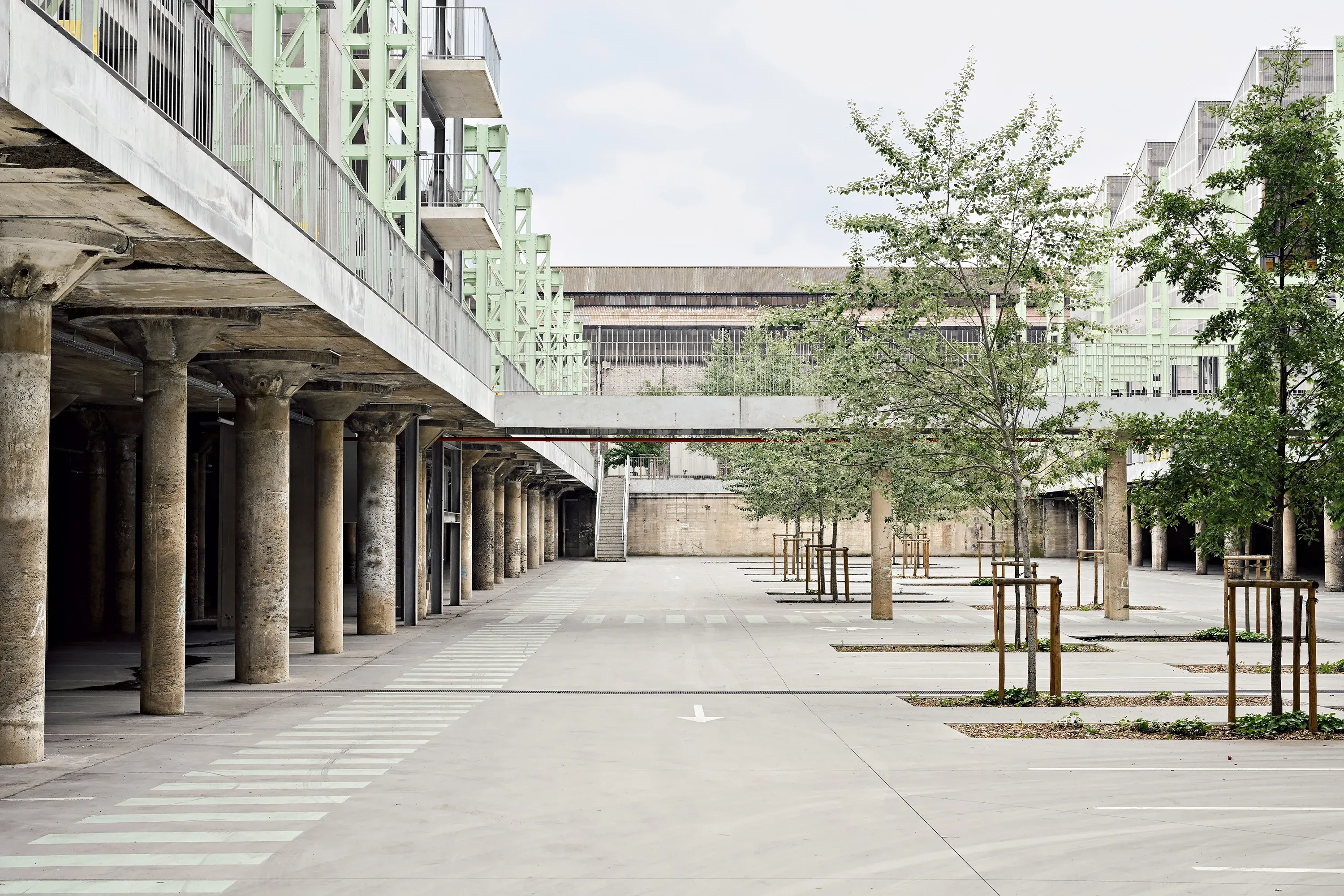
The architecture of the Ateliers Centraux inherits from its industrial past a simple and functional typology, featuring vast open spaces, generous openings and a timeless, understated aesthetic that invites contemplation. It is the emotion emanating from this place that inspired the desire to breathe new life into this heritage site — solemn, majestic and iconic.
The rehabilitation project, entrusted to Danish architect Dorte Mandrup, seeks to preserve the site’s cultural and symbolic legacy through a philosophy of conservation, reuse and recycling. The original layout and monumental structure of the halls will be enhanced and reinvented with a contemporary signature, creating spaces dedicated to creativity, connection and the art of living.


A Complete Ecosystem
The Ateliers Centraux have been conceived as a self-sustaining ecosystem built on diversity and complementary uses: housing, retail, hospitality, community and sports facilities, shared living spaces… an entire world in itself.
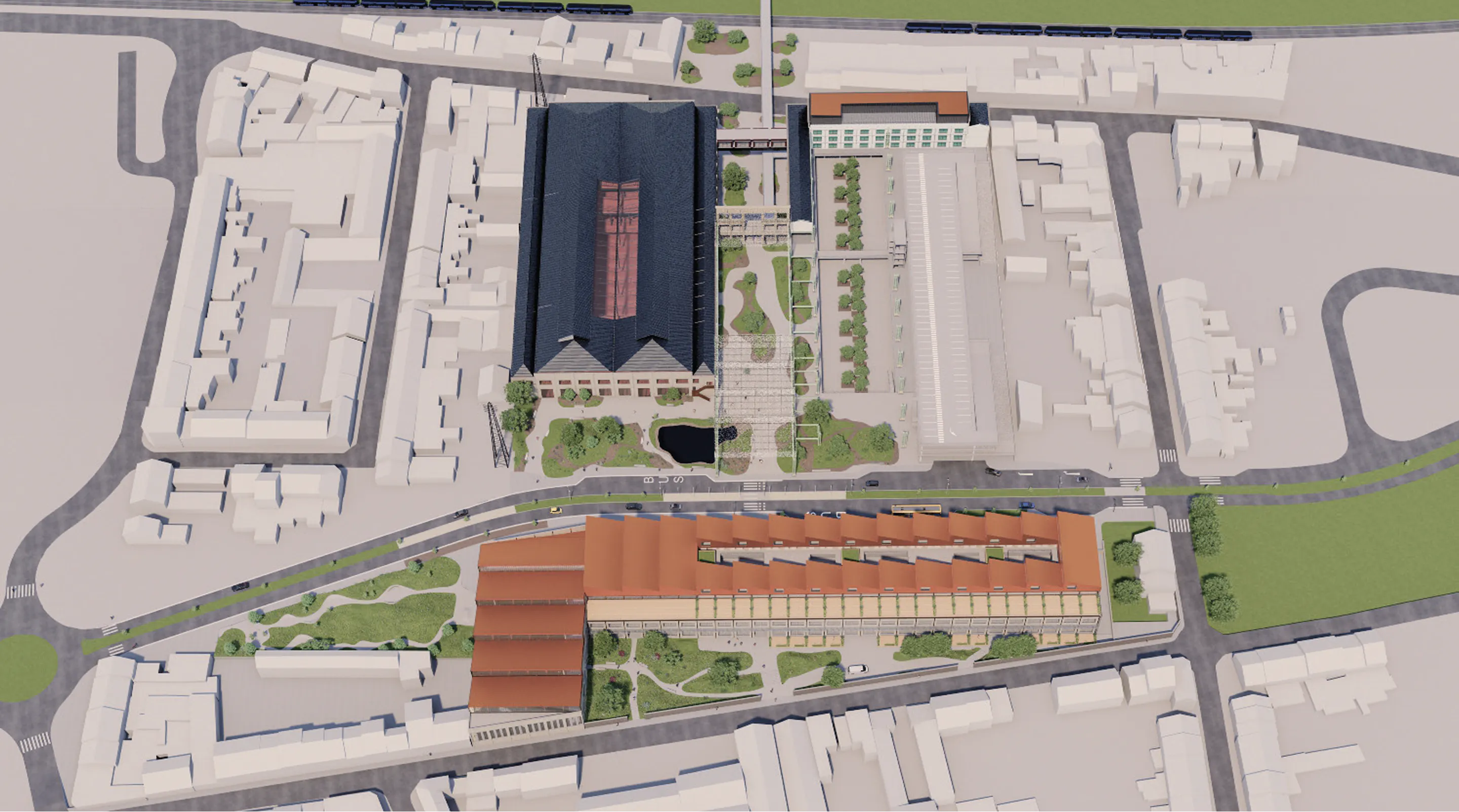
Spanning more than 30,000 m², the Ateliers Centraux masterplan is organized into three distinct areas: the workshops of the West Hall, transformed into a center for art and creation; the Locomotive Hall to the south, accommodating housing, retail and sports facilities; and the East Hall, reimagined around hospitality, including a hotel that reinforces the ambition of making this micro-district a true destination.
At the heart of this ecosystem lies the forecourt of the art center, serving as a public square—an agora capable of hosting concerts, performances, festivals, flea markets and more. A green lung that embodies the convivial spirit of a place designed for the entire community, whether day visitors or year-round residents.
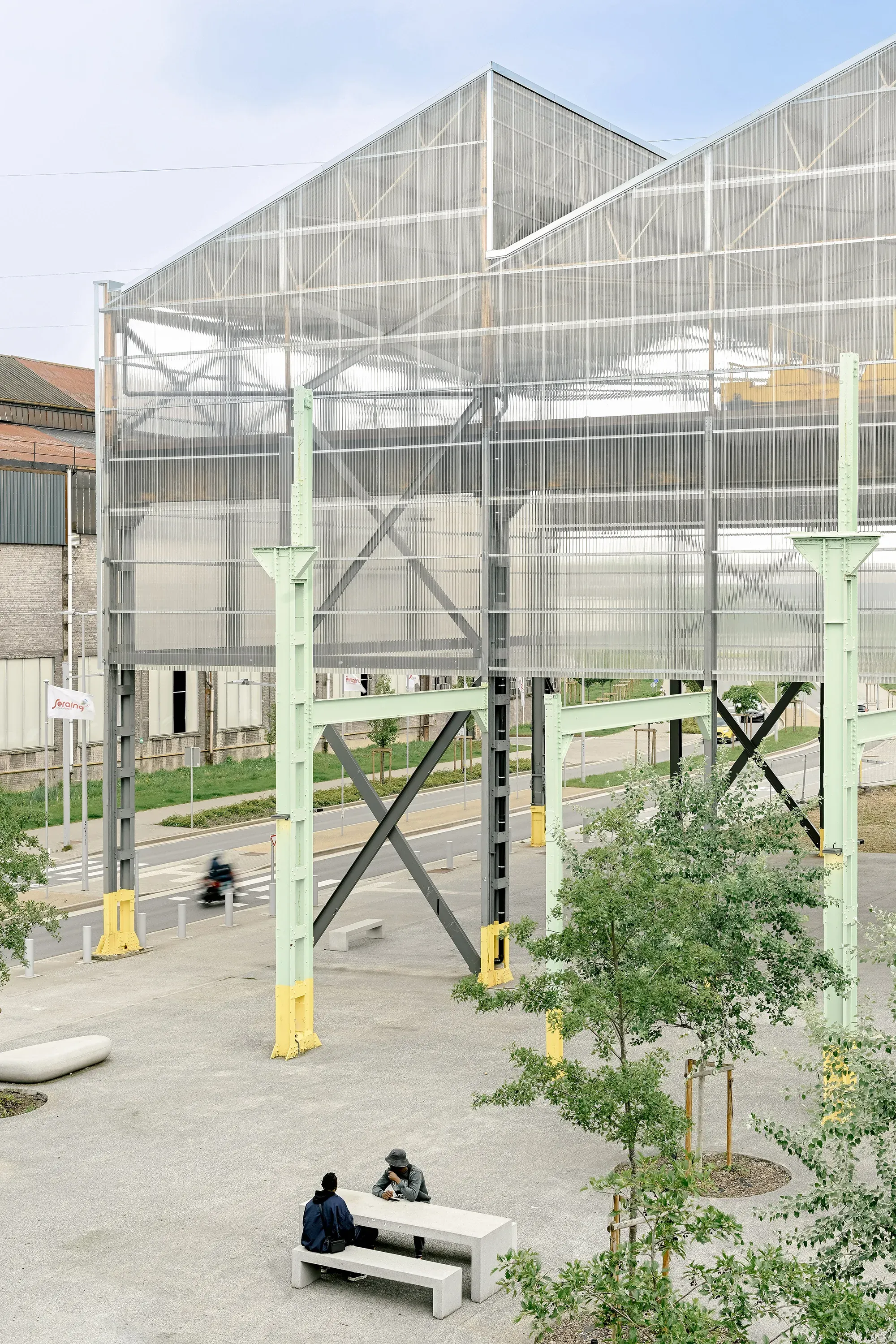


A One‑of‑a‑Kind Destination


A Place for Culture(s)
A key pillar of the Ateliers Centraux project is culture in its broadest sense: contemporary art, performing arts, street arts, festivals, gatherings and neighborhood celebrations. Conceived as a social connector, culture becomes both the beating heart and the public face of the district.
Art and culture are the driving forces behind the development of the Ateliers Centraux. Designed in symbiosis with the architectural program, the cultural programming aims to encourage encounters, sharing and discovery in the most open, inclusive and community-oriented spirit possible.
The curatorial vision of the Ateliers Centraux is driven by a mix of all forms of cultural expression, without distinction or hierarchy. From the most experimental contemporary art installations to spontaneous neighborhood banquets, every initiative that brings life, surprise and diversity to the site is encouraged. The goal is to create a micro-district with a soul — a place where everyone can thrive every day.
A New European Hotspot
Far more than a real-estate project confined within its walls, the Ateliers Centraux aspire to become the epicenter of a district undergoing profound renewal, stretching from the Sart-Tilman campus to the Sclessin Stadium. A hub of leisure, culture and innovation whose strategic location allows it to attract visitors from across Europe.
The Ateliers Centraux project aims to become one of the driving forces behind the revitalization of the Ougrée-Meuse area, a major urban development plan extending from the banks of the Meuse to the Sart-Tilman hillside. Whether you are a resident of Seraing, a university student, a Standard supporter (“Allez les Rouches!”) or a regular concertgoer at the OM… everyone belongs at the Ateliers Centraux.
Beyond the Province of Liège, the Ateliers Centraux welcome all of Europe. With a compelling cultural program and a comprehensive hospitality and service offering, every detail has been designed to make the Ateliers Centraux an unmissable destination—vibrant, enjoyable and constantly surprising. From Brussels, Cologne, Luxembourg, Düsseldorf, Paris or Amsterdam, Seraing is only a few hours away by car or train, whether for a weekend getaway or a week of discovery.

Experience the project today!
From a single building to a buzzing hive. Residential living, retail, culture, sports, student life, and civic engagement all thrive in harmony. With Ateliers Centraux, an entire neighborhood is reborn.